


Film Analysis and Review
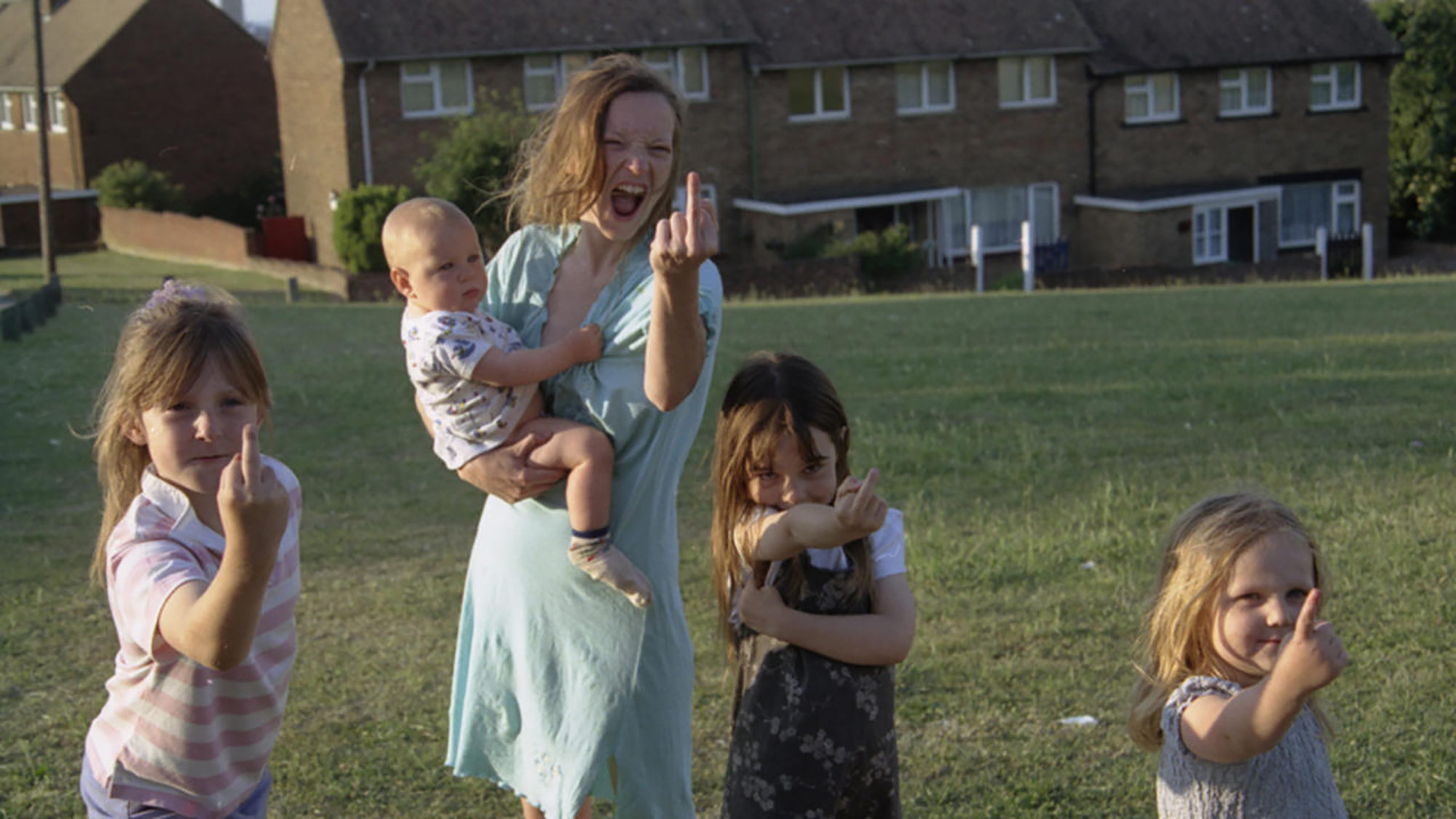
WASP opens with a fight. Zoe, a young single mother on a Dartford council estate, hurls herself at another woman in the middle of a car park while her four children watch from the pavement. It is a defining gesture: reckless, fierce, embarrassing, entirely human. Andrea Arnold plants her flag in those first thirty seconds and never retreats. This is a film that trusts its characters to be contradictory without asking us to judge them first.
At 26 minutes, Wasp is long for a short and unhurried by design. Arnold is not interested in narrative efficiency. She is interested in a life, and she builds it in fragments: the older daughter who has quietly absorbed the role of surrogate mother, the younger children scavenging chips from strangers outside a pub, the way Zoe reapplies lipstick in a car window reflection and becomes, briefly, someone other than a parent. Each of these moments accumulates weight without commentary.
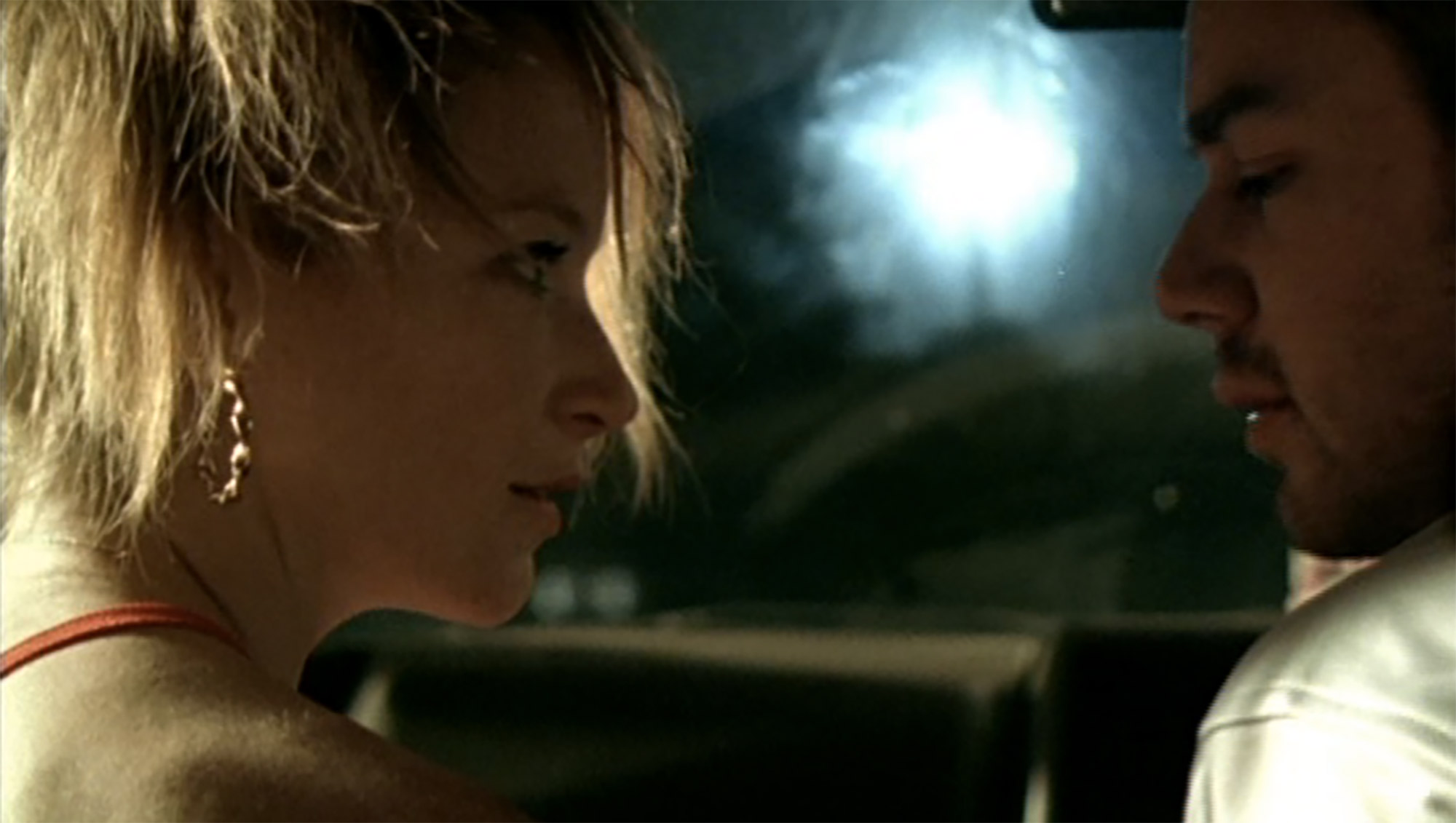
Cinematographer Robbie Ryan shoots on handheld with a mix of extreme close-ups and loose long shots that gives the film a perpetual sense of things almost but not quite under control. The sequence where the family walks down to the pub is shot in a single extended take that is both chaotic and curiously tender. Ryan's camera never aestheticises the poverty it observes, but it never condescends to it either. The estate looks exactly like itself.
The film's central tension is not whether Zoe will be caught in her lie — that she is not the children's mother, merely babysitting — but whether she deserves a single night of wanting something. Arnold refuses to resolve that question cleanly. The final image, a wasp drifting into a sleeping baby's mouth, is an emblem of something ordinary becoming suddenly dangerous, and it belongs entirely to the register of the real.
Filmmaker Insight and Production Context
Arnold made Wasp with funding from the UK Film Council and Film4, the same institutional infrastructure that had supported British social realism since the movement's 1960s peak. She shot entirely on location in Dartford, the Kent town where she grew up, and cast Natalie Press — then largely unknown — in the lead role. The decision to cast a relatively fresh face rather than a recognisable name was characteristic of Arnold's instinct to build performance from the ground up rather than on established screen presence.
The child performances in Wasp are among its most technically demanding achievements. Getting four young children to behave with the spontaneous naturalism the film requires — and to sustain it across a 26-minute runtime — calls for a specific kind of directorial patience and a set culture built on trust rather than instruction. Arnold has spoken about allowing improvisation within scripted moments, giving the children real tasks and real freedoms rather than marked positions and memorised lines.
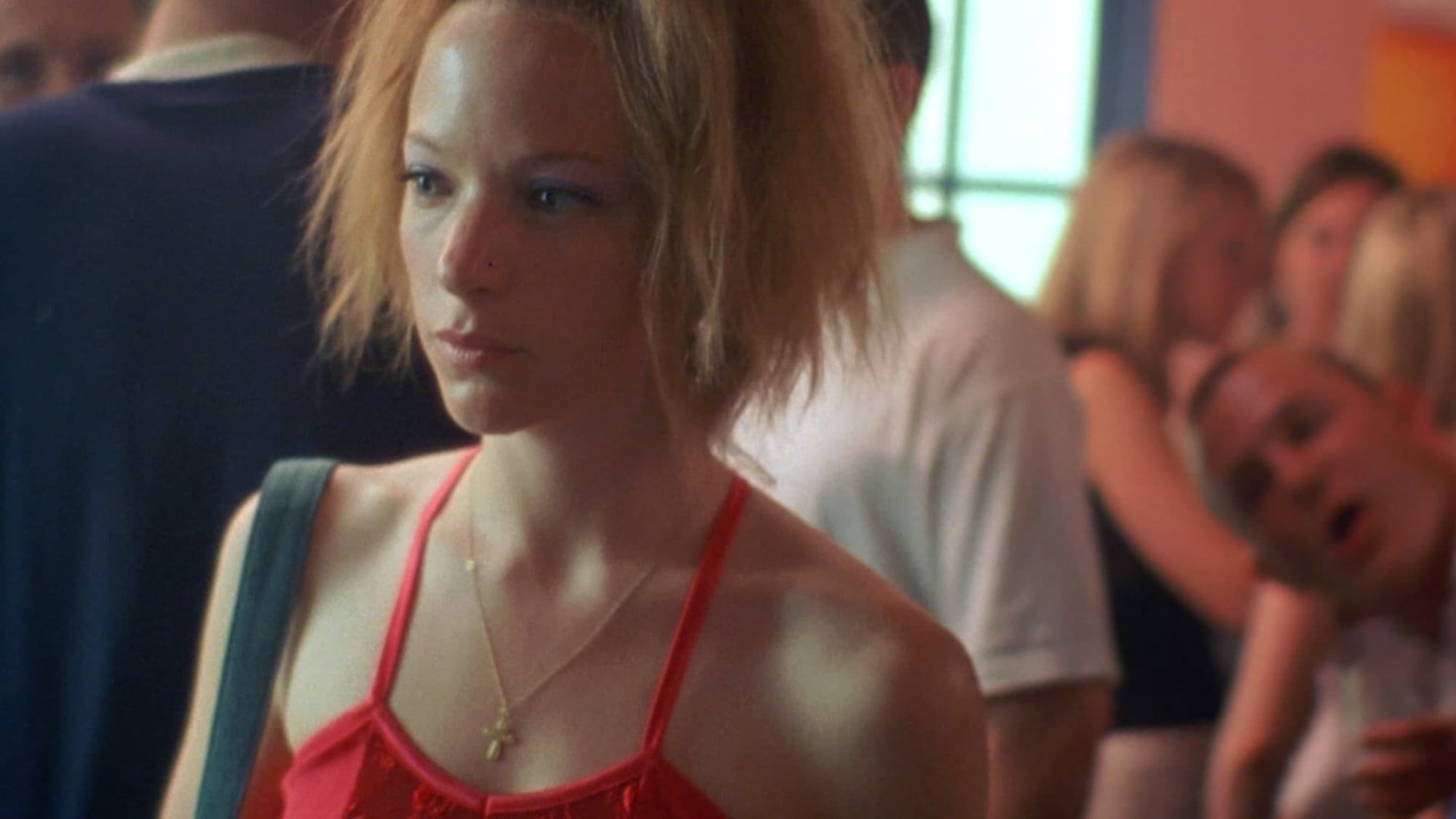
Robbie Ryan's collaboration with Arnold began here and continued through Red Road, Fish Tank, and Wuthering Heights. Their shared approach favours available light and handheld work that maintains physical proximity to subjects without becoming intrusive. The visual grammar they established on Wasp has become something of a template for contemporary British social realism in short form. Wasp went on to win the Academy Award for Best Live Action Short Film in 2005, alongside prizes at Sundance, Oberhausen, and Stockholm, and is widely credited with reviving interest in the British short film form.
For Filmmakers: Lessons from Wasp
Compression is not about cutting story — it is about choosing the right life and trusting that its texture is enough.
A location is not a backdrop. Arnold shoots Dartford as a place that has shaped Zoe, not merely framed her, and every setting choice reinforces character without a single line of dialogue spent explaining it.
The handheld camera earns its movement here because it matches the emotional state of the characters rather than signalling grit as a style choice. Camera language should be motivated from inside the story, not imported as aesthetic shorthand.
Child performance is a directorial craft in itself. The performances here are the result of a set culture, not a technique, and that culture has to be built before the camera rolls.
Moral ambiguity in a protagonist does not require the filmmaker to take a position. Arnold holds steady and lets the audience work. The discipline required to stay out of the film's own judgement is what separates Wasp from lesser social realist work that editorialises its subjects.
Verdict
Wasp is the short film that launched one of British cinema's most important careers, and its power has not diminished. Arnold makes no false moves across 26 minutes. What the film demonstrates above all is that the short form, at its best, is not a trial run for something longer but a complete and irreducible thing in itself.
⭐ Curated Shorts Pick
Raw. Exact. Irreducible.



.jpg)
