.jpg)


Film Analysis and Review
UMBRA begins with the particular silence of a shared space that has suddenly become singular. A woman wakes in the small hours to find her partner gone. The apartment, moments ago a place of intimacy, is now simply an apartment. Saeed Jafarian stages this discovery without dramatising it — there is no panic, no immediate action. Just the slow, terrible recalibration of being alone where you were not alone before.
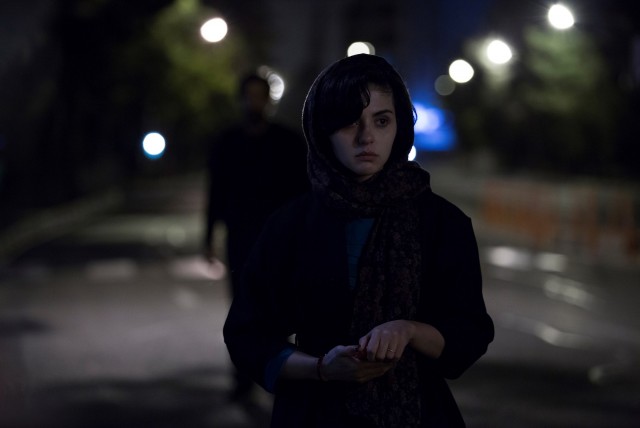
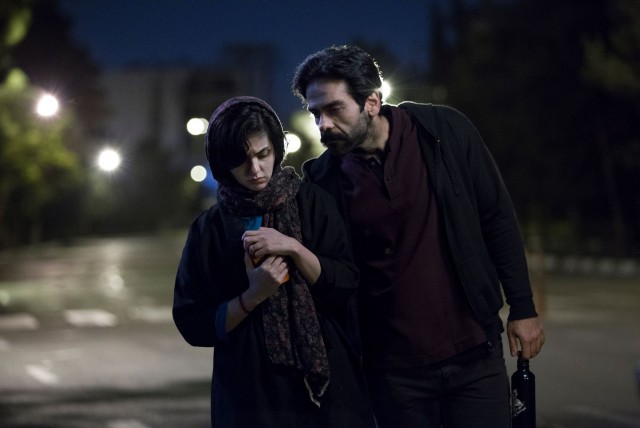
What follows is a nocturnal search through the streets of Tehran that Jafarian refuses to frame as thriller. The film's pacing is deliberate to the point of being meditative. The city at night is not presented as menacing in a genre sense but as something stranger and more honest: indifferent. Tehran continues around the woman as she moves through it, neither threatening nor welcoming, simply vast and dark and entirely unconcerned with her situation.
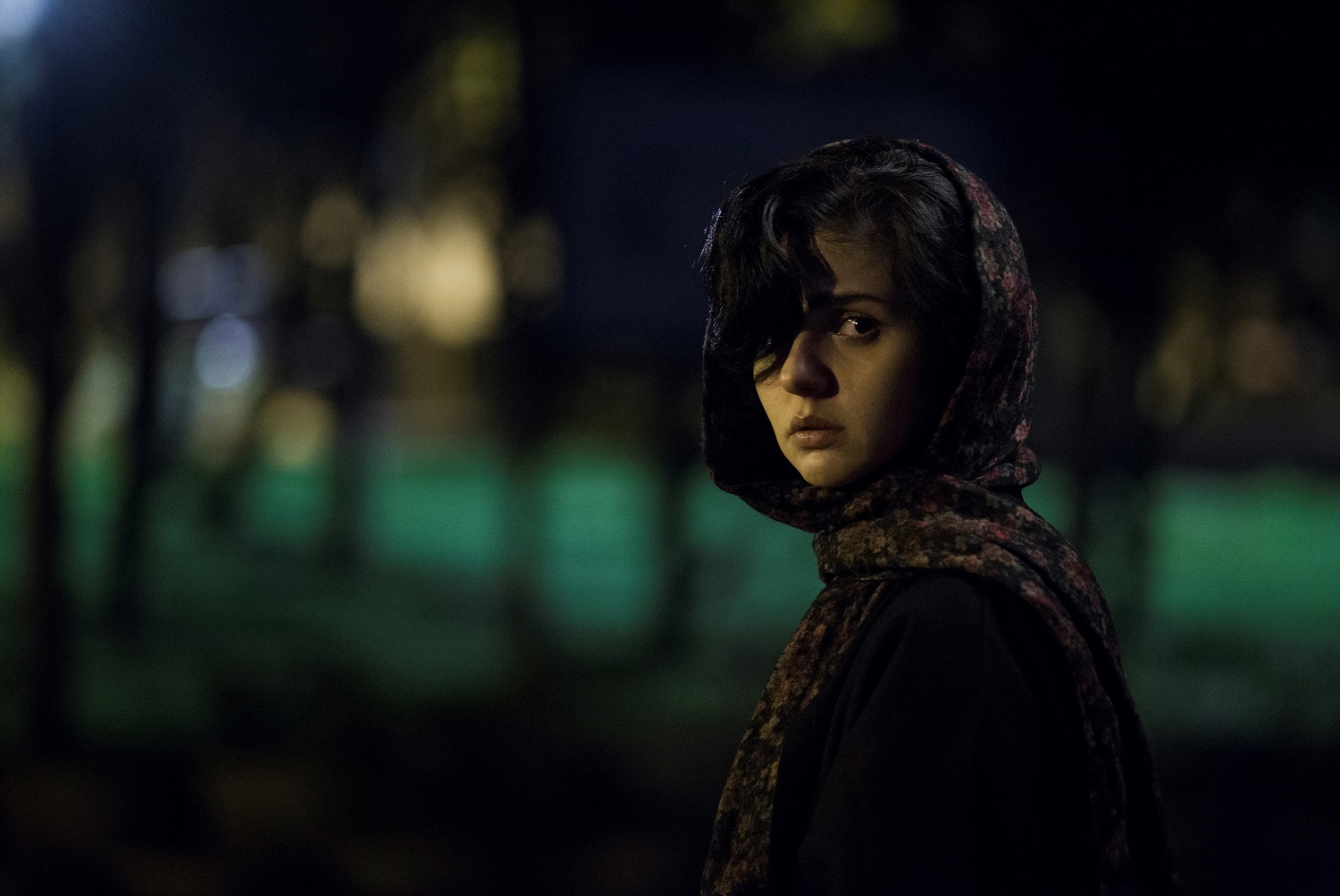
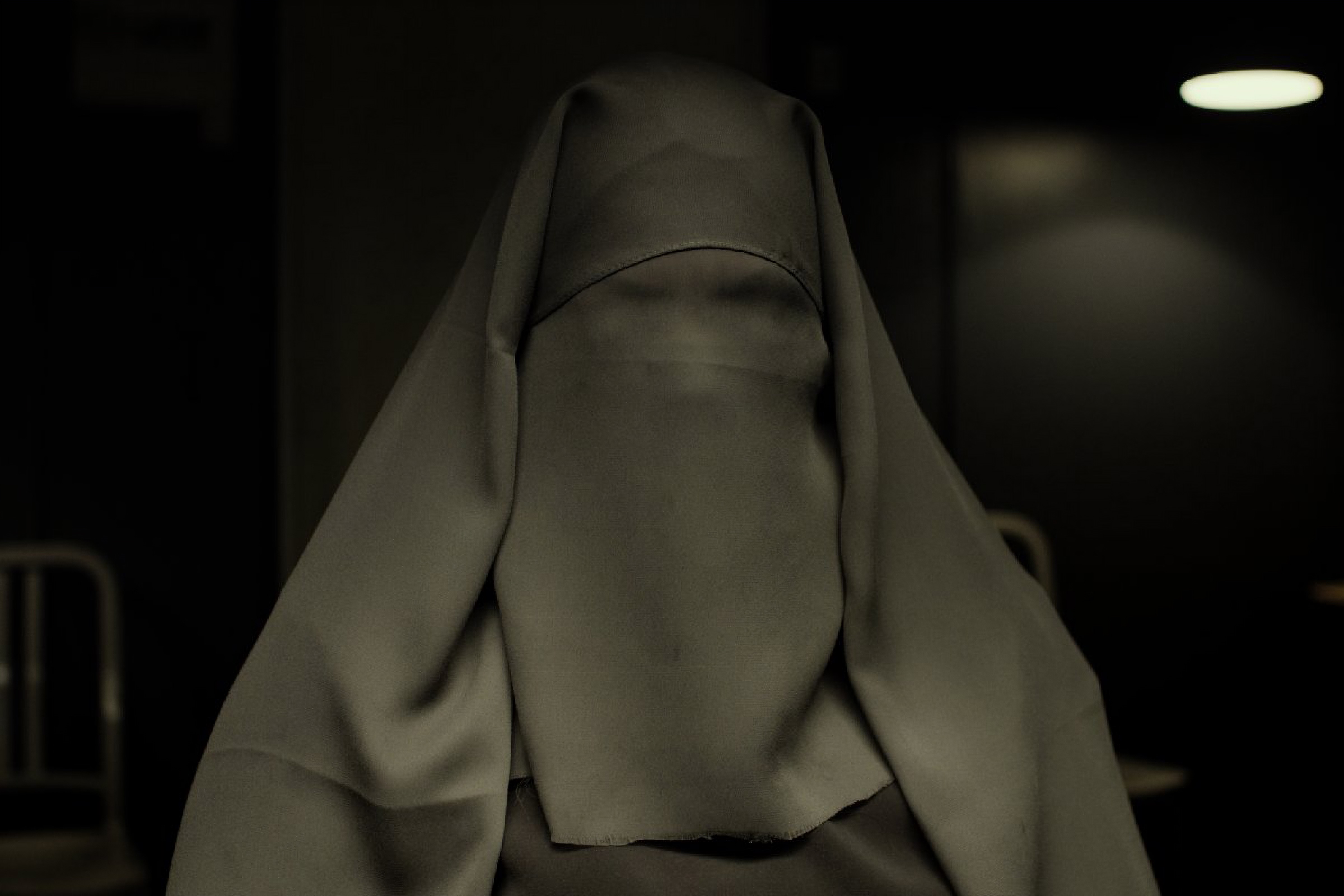
Cinematographer Masud Amini Tirani works with two primary camera positions — in front of and behind the protagonist — that together construct the film's central tension. From the front, we see her face: searching, composed, unwilling to perform distress for the empty street. From behind, we follow her: a figure moving through space that offers no orientation. The alternation between these two positions creates a rhythm that mirrors the experience of looking for something in a place that does not want to be looked through.
Mahsa Alafar's performance is the film's anchor. She does not signal her inner state; she occupies it. The encounter with the stranger on the street is the film's most charged sequence, and Alafar navigates it with a specificity that is entirely convincing — she is neither helpless nor unaffected. She is a woman who has learned to be precisely as visible as the situation requires, and no more.
The film's sound design carries much of the narrative weight. Jafarian foregoes music almost entirely, using instead the ambient textures of a Tehran night — wind, distant traffic, the particular quality of silence in a residential street at two in the morning. These textures do not decorate the action; they compose it. The absence of music is not restraint; it is argument.

Filmmaker Insight and Production Context
Saeed Jafarian has described his starting point as the sensation of darkness rather than a narrative concept. Tariki in Persian means darkness, and the film treats that word as both title and thesis. This is not a story about a missing person; it is a story about what it feels like to move through a world that will not illuminate itself for you.
Jafarian's background spans film criticism, documentary, and independent fiction made within Iran's underground cinema tradition. UMBRA reflects this formation: it has the observational patience of documentary, the formal rigour of art cinema, and the political awareness that comes from making work in a context where every image is a decision with consequences. The film was selected for the 2018 Cannes Film Festival Short Film Competition, a recognition of the precise quality of the filmmaking rather than its subject matter alone.
The decision to shoot without music was made early and held throughout. Jafarian felt that music would provide the emotional signposting the film was designed to refuse. The audience should not be told how to feel about the protagonist's situation. They should be placed in it, with only the sounds of the city for company, and left to find their own orientation.
Casting Mahsa Alafar meant casting a performer who could be followed through space without explanation. Jafarian needed someone whose physical presence communicated interiority without performing it. Alafar's control — the economy of her movement, the steadiness of her attention — is what holds the film together across its most exposed passages.
For Filmmakers: Lessons from UMBRA
Nocturnal spaces have their own logic. The city at night imposes a different set of rules on the body, and films made in darkness can use those rules as narrative structure.
Remove music to find out what remains. When Jafarian strips the soundtrack back to ambient sound, the emotional content does not disappear; it intensifies.
Two camera positions can carry an entire film. Front and back create a rhythm of interiority and exposure that requires nothing else.
A protagonist in motion is a protagonist under pressure. Following someone through space, without explanation, is one of cinema's most direct routes to empathy.
Ambiguity is not absence of meaning. The film's open ending does not leave the audience without a conclusion; it leaves them with a question that is more useful than any answer would be.
Performance is orientation. In a film this spare, the actor's physical intelligence is the primary navigation instrument for the audience.
Verdict
UMBRA is a film that trusts silence the way most films trust music. It follows a woman through a dark city with the patience of someone who understands that the most important things do not announce themselves. Spare, precise, and quietly unsettling.
⭐ Curated Shorts Pick
Dark patient unresolved